
The Fascinating World of Mahjong: A Cultural and Gaming Phenomenon
Mahjong, a traditional Chinese game, has captured the hearts and minds of people all over the world. As a game steeped in history and cultural significance, Mahjong is not merely a pastime but an intricate blend of strategy, skill, and chance that continues to enthrall players across generations. With the advent of digital gaming, Mahjong has successfully transitioned into the online realm, making it accessible to a wider audience, including the Brazilian market, where platforms like 969brl.com Oficial Slots Brasil #1 are gaining prominence.
Understanding the Basics of Mahjong
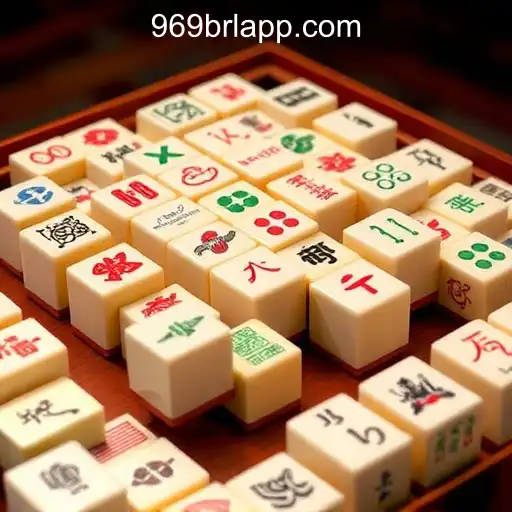
For the uninitiated, Mahjong might seem complex with its array of tiles and intricate rules. However, at its core, Mahjong is a tile-based game that involves four players competing to build specific winning hands. The game is played with a set of 144 tiles based on Chinese characters and symbols divided into suits, honors, and bonus tiles. The objective is to be the first to complete a legal hand of four sets and a pair, totaling 14 tiles. The sets can be either a "Pung" (three identical tiles), "Chow" (a sequence of three tiles in the same suit), or a "Kong" (four identical tiles).
A Brief History of Mahjong
The origins of Mahjong are somewhat murky, with theories tracing its roots back to ancient Chinese card games and even dominoes. Some believe it was developed during the Qing Dynasty, while others attribute its invention to the late 19th century. Regardless of its beginnings, Mahjong exploded in popularity in the early 20th century, spreading from China to other parts of Asia and eventually the Western world.
The international journey of Mahjong began in the 1920s, when American businessmen recognized its potential as a marketable game. The National Mah Jongg League was created in 1937 to standardize the rules and promote organized play. Today, Mahjong continues to be an enduring part of Chinese culture, celebrated in numerous tournaments and social gatherings around the globe.
The Cultural Significance of Mahjong
More than just a game, Mahjong plays a vital role in social interactions, family bonding, and tradition. In many Chinese households, it is customary for family members to gather around a Mahjong table during festivals like Chinese New Year. The game is also deeply embedded in Chinese art, literature, and cinema, symbolizing everything from good fortune to cunning strategy.
Mahjong also serves as a bridge between cultures. For overseas Chinese communities, it is a strong cultural anchor that helps keep traditions alive and fosters a sense of belonging. Beyond its cultural roots, Mahjong has become more than a diversion; it represents an intellectual challenge akin to chess or poker.
Mahjong in the Digital Age
The digital revolution has significantly transformed the way people engage with traditional games like Mahjong. Online Mahjong platforms have emerged, offering players the convenience of playing anytime and anywhere. These platforms host a variety of Mahjong versions, catering to different rule sets and player preferences.
In Brazil, the burgeoning popularity of Mahjong coincides with the rise of online gaming. Websites such as 969brl.com Oficial Slots Brasil #1 have incorporated Mahjong into their offerings, attracting a new wave of enthusiasts keen to experience the game's strategic depth and cultural richness. These platforms provide an immersive experience with user-friendly interfaces, multiplayer options, and even live tournaments, making it accessible to both new and seasoned players.
The Global Appeal of Mahjong
The universal appeal of Mahjong lies in its perfect balance of skill, chance, and social interaction. It offers something for everyone: a challenge for the competitive, a pastime for the casual player, and a connection to cultural traditions.
Over the years, Mahjong has found its way into various international gaming communities. The World Mahjong Organization, established in 2006, aims to promote Mahjong worldwide through tournaments and educational initiatives. These efforts have succeeded in placing Mahjong alongside other traditional games on the global stage.
Mahjong and Gambling: A Controversial Relationship
While Mahjong is primarily played for fun and skill, it has also been associated with gambling. Many cultures, particularly in Asia, have side bets and stakes often accompanying Mahjong games, adding an element of risk that some find exhilarating. However, this relationship can sometimes lead to legal and social issues in regions where gambling laws are stringent.
Online platforms, such as 969brl.com Oficial Slots Brasil #1, offer a legal and regulated environment for those interested in the thrill of Mahjong-related gambling. These sites ensure fair play and provide secure payment options, appealing to those who enjoy both the game and the chance to win prizes.
The Future of Mahjong
As the world becomes more interconnected, the future of Mahjong looks bright. Its adaptability to digital platforms ensures that new generations will continue to discover and appreciate this timeless game. Online social networks and gaming communities play a pivotal role in keeping Mahjong relevant, offering tutorials, strategies, and forums for discussion.
As platforms like 969brl.com Oficial Slots Brasil #1 continue to expand their reach, Mahjong's popularity is poised to grow further, attracting diverse audiences from different cultural backgrounds. Such growth not only enriches the game itself but also fosters a greater appreciation for its cultural heritage and strategic complexity.
Whether played online or in a traditional setting, Mahjong remains a testament to the enduring appeal of classic games. Its journey from ancient China to modern-day online platforms highlights its universal charm and the shared human experience of play and competition.